
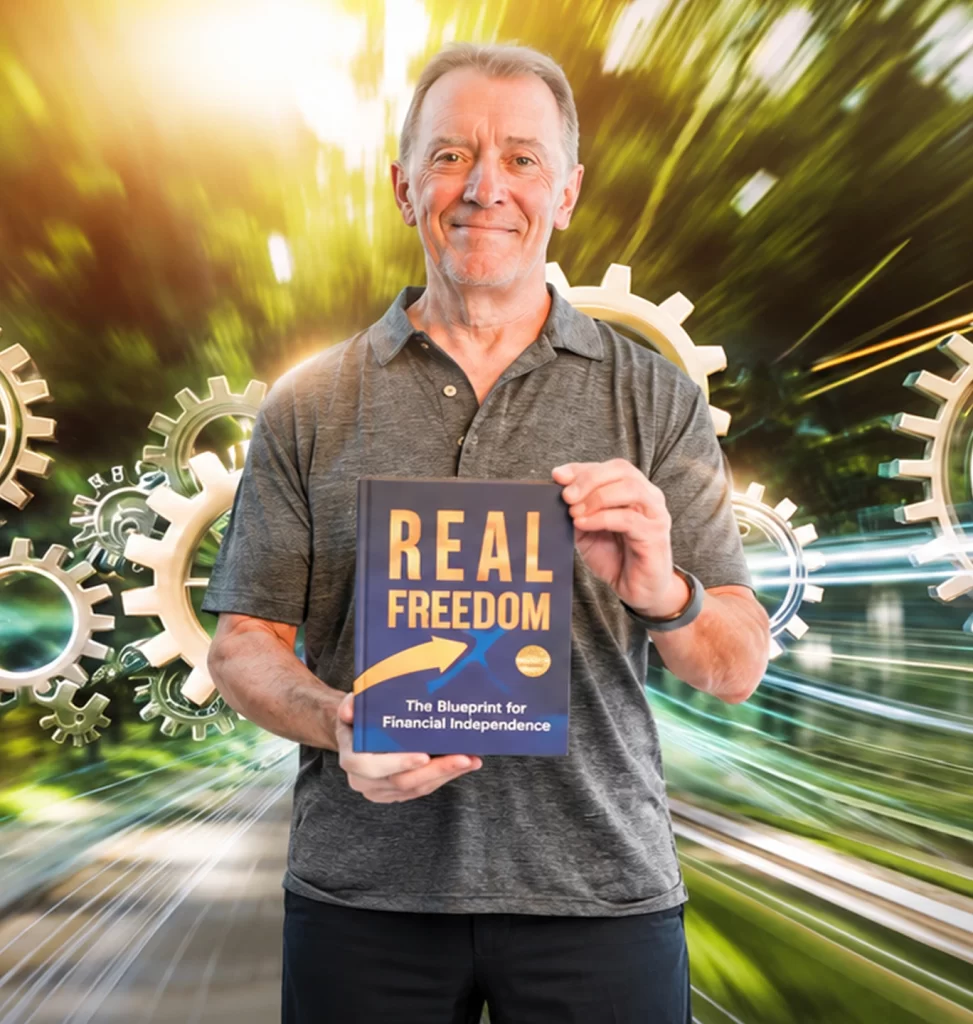
Then he was laid off.
That experience forced him to rethink what financial independence and business ownership could look like. Instead of rushing toward a business based on passion or familiarity, Greg approached the decision the way an engineer might. He looked at the business model, the economics, the operating requirements, and whether the opportunity actually fit the life he wanted to build.
That process eventually led him to franchise ownership.
It also shaped the way he advises prospective franchise owners today.Greg has experienced the franchise decision from the buyer’s side.
He has managed businesses, owned a franchise, and spent more than 14 years running Franchise Maven. During that time, he has helped place more than 300 people across more than 500 franchise territories.
That experience gives him a practical perspective on the questions prospective franchise owners are really asking:

Greg’s approach is built around a simple principle:
Understand the business before you commit to the business.
He calls it Investigation Before Investment.
Rather than starting with a list of franchise brands, Greg first takes the time to understand the person considering ownership.
Only then does the franchise search begin.
From there, Greg helps clients compare opportunities, review the business model, speak with existing franchise owners, evaluate the numbers, and ask the questions that help reveal what ownership may actually look like.
One of the ideas that has shaped Greg’s approach is what he describes as his Anti-Passion Framework.
When Greg explored franchise ownership himself, he did not begin by asking:
“What business am I passionate about?”
He focused instead on whether the business model made sense.
That meant looking at the economics, the operating model, and whether the opportunity could support the financial and lifestyle goals he was trying to achieve. Greg says that experience became the foundation of the lens he now uses with clients.
Passion can be valuable.
But when you are evaluating a franchise investment, Greg believes it should not replace careful investigation of the business itself.

Greg has access to hundreds of franchise concepts across a range of industries and investment levels.
But the objective is not to show a prospective buyer as many franchises as possible.
It is to narrow the field.
A franchise can be successful for one owner and still be completely wrong for another. Greg looks at the individual first, then helps identify businesses that deserve deeper investigation based on that person’s goals and circumstances.
Greg describes his approach as honest and straightforward.
That means he is comfortable discussing not only why an opportunity may make sense, but also the reasons it may not.
There is no obligation to purchase a franchise, and Greg says he is comfortable telling someone when franchising, or a particular opportunity, does not appear to be right for them.
The goal is not simply to get someone into a franchise.
It is to help them make a well-informed decision about whether they should own one, and which opportunities are worth pursuing.
Greg’s guidance is provided at no cost to prospective franchise buyers.
If you ultimately invest in a franchise Greg introduces, the franchise company pays his fee. There is no obligation to purchase a franchise.
I would keep this on the About page even though it is also on the homepage. It is important transparency and reinforces trust.
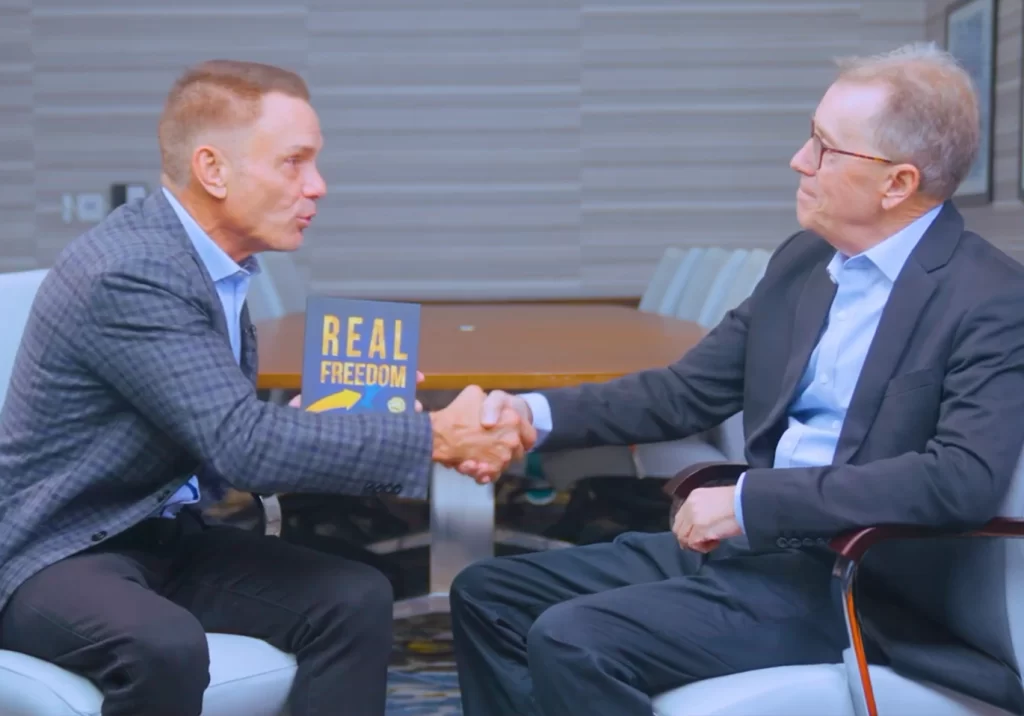
Wall Street Journal Bestseller
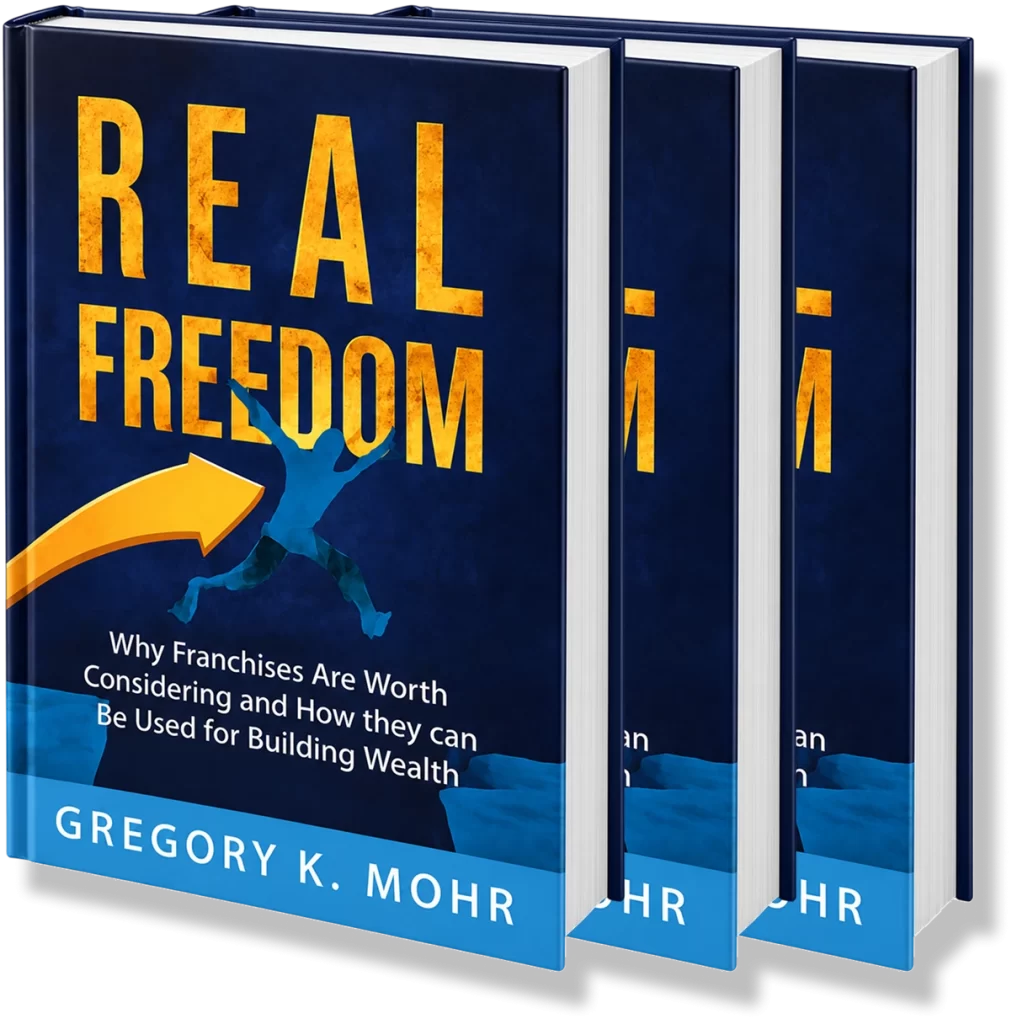
Buying a franchise can involve a significant commitment of time, money, and energy.
You should understand what you are getting into before you make that commitment.
Greg’s job is to help you ask better questions, narrow the options, and investigate the opportunities that make sense for you.
Considering Franchise Ownership?
Start with a conversation.
No fee. No obligation. Straightforward guidance.